

HSE University and Sultan Qaboos University Discuss Cooperation in Science and Education
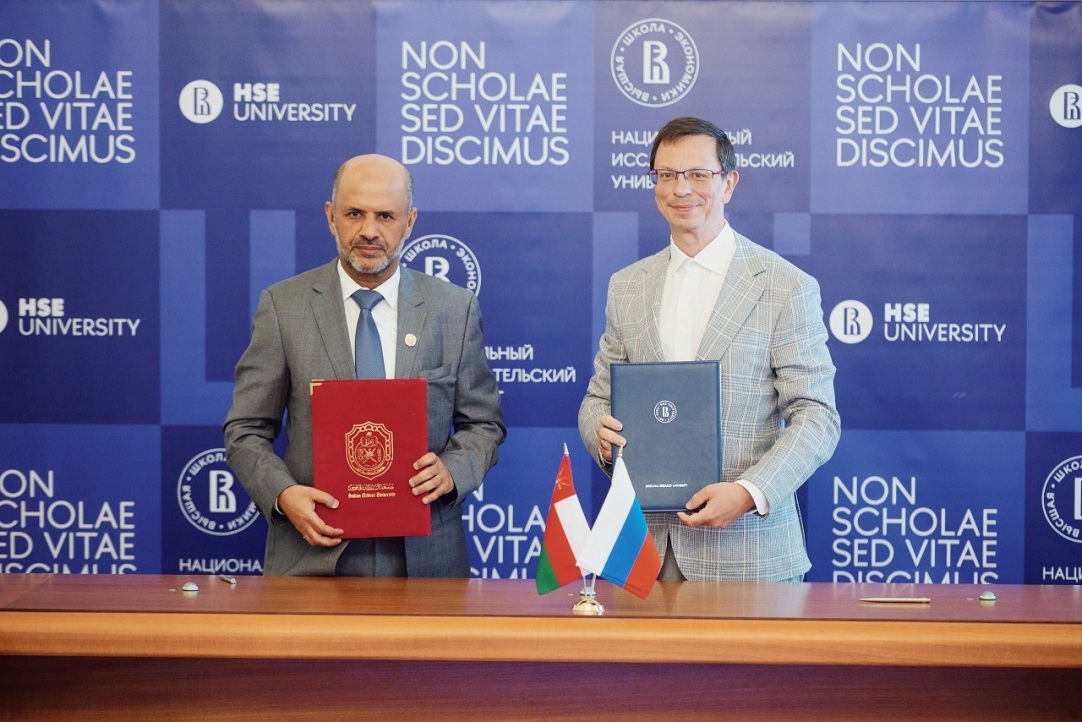
On May 29, 2025, a delegation from Sultan Qaboos University paid an official visit to HSE University. The meeting was held at the HSE building on Pokrovsky Bulvar and was dedicated to the development of partnership in science and education. The delegation was led by His Highness Dr Fahad Al Said, Vice Chancellor of Sultan Qaboos University. During the visit, the parties signed an agreement on cooperation and academic exchange between the universities.
The participants discussed possible formats of cooperation: academic and student exchange, joint research, teaching Arabic to HSE students, as well as joint publications in international academic journals. The representatives highlighted their interest in establishing direct contact between research teams at the two universities.
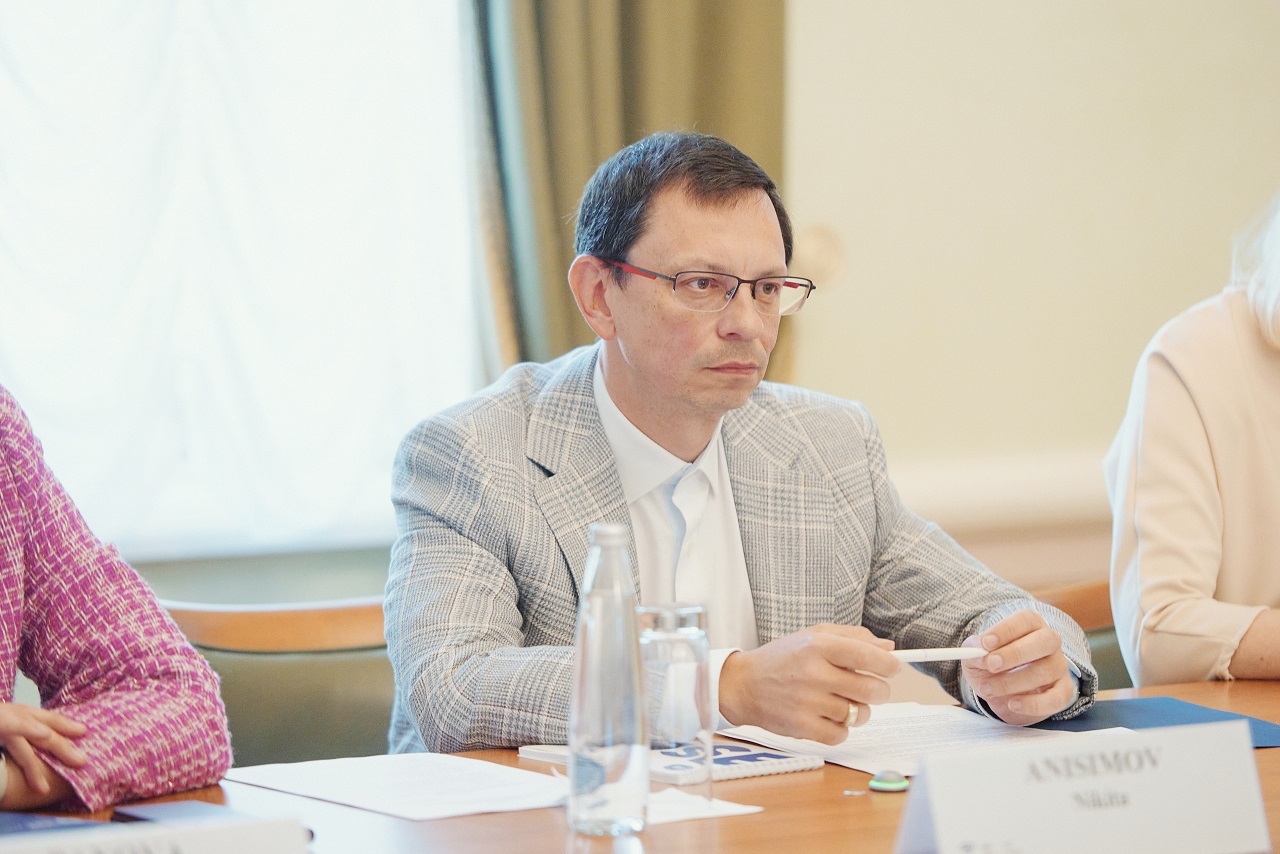
Nikita Anisimov, HSE University Rector, noted that interest in the countries of the Middle East (including the Sultanate of Oman) is growing, and stressed the importance of dialogue with universities in the region. He added that Russian higher education today focuses on technological development in both engineering and humanities, and HSE University is actively involved in implementing the priorities outlined by the Russian Government for the next decade. The rector stressed that Russian society faces several key challenges, one of which is bridging the technological gap. HSE contributes to solving these problems by creating in-demand scientific and applied developments.
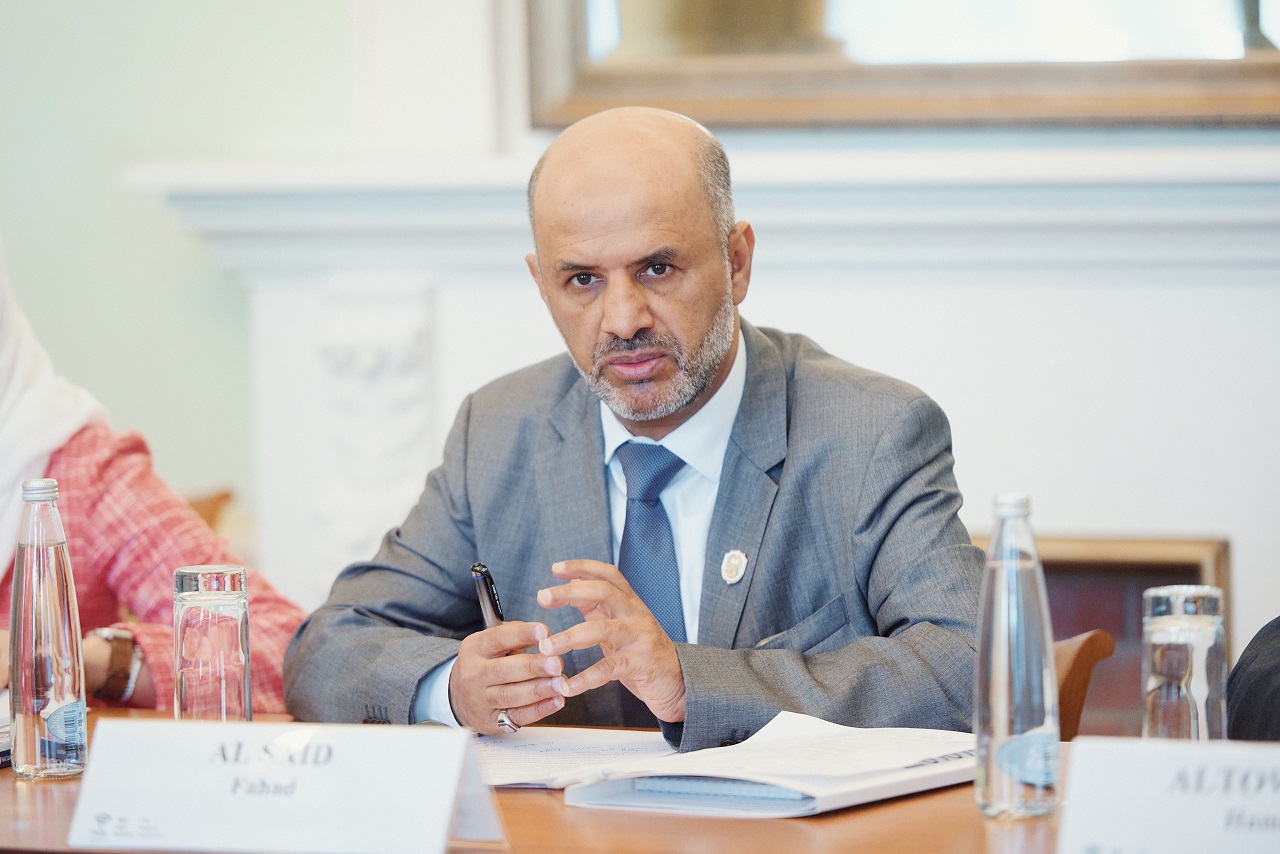
His Highness Dr Fahad Al Said, Vice Chancellor of Sultan Qaboos University, spoke about the history and key areas of the university's work, noting its strong position in international rankings, competitive university admissions, and active research activity. He expressed hope that HSE students would also have an opportunity to study in Oman, and suggested determining particular steps to develop partnership within two months.
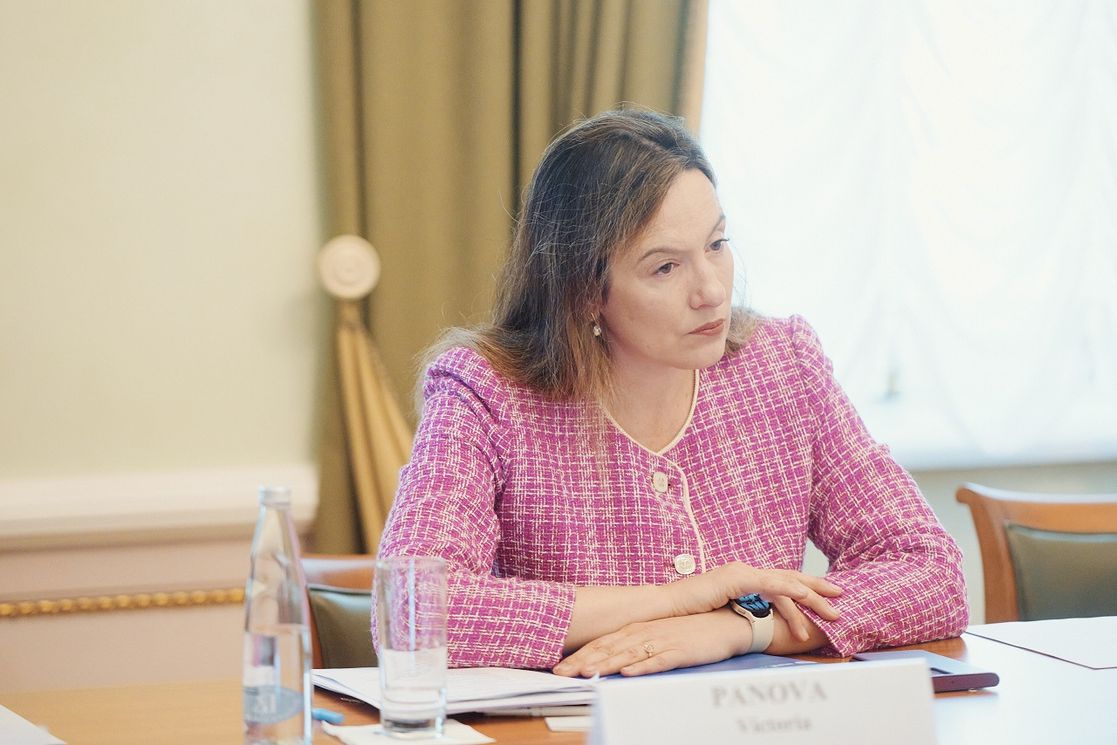
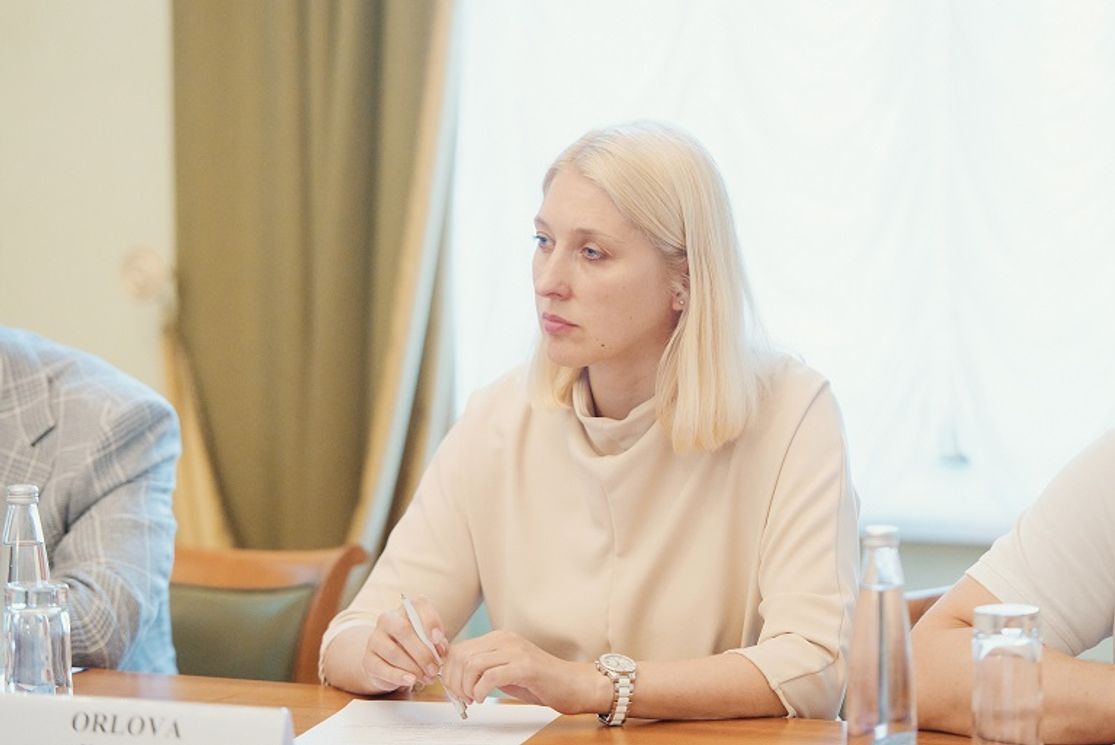
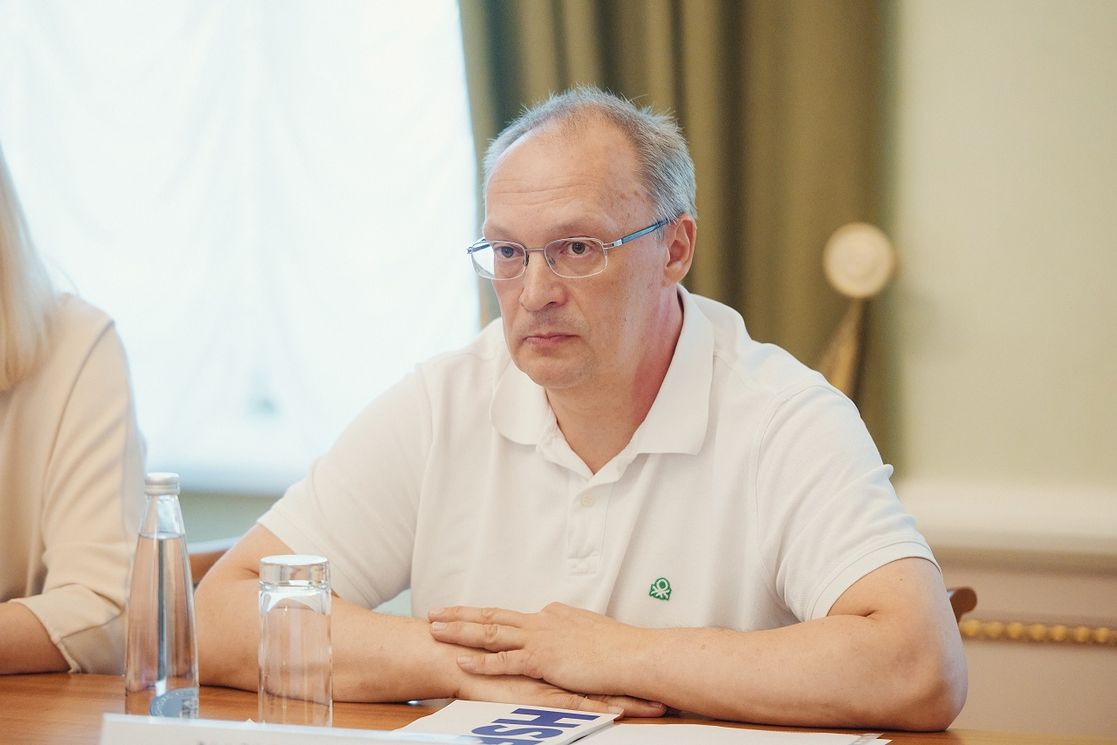
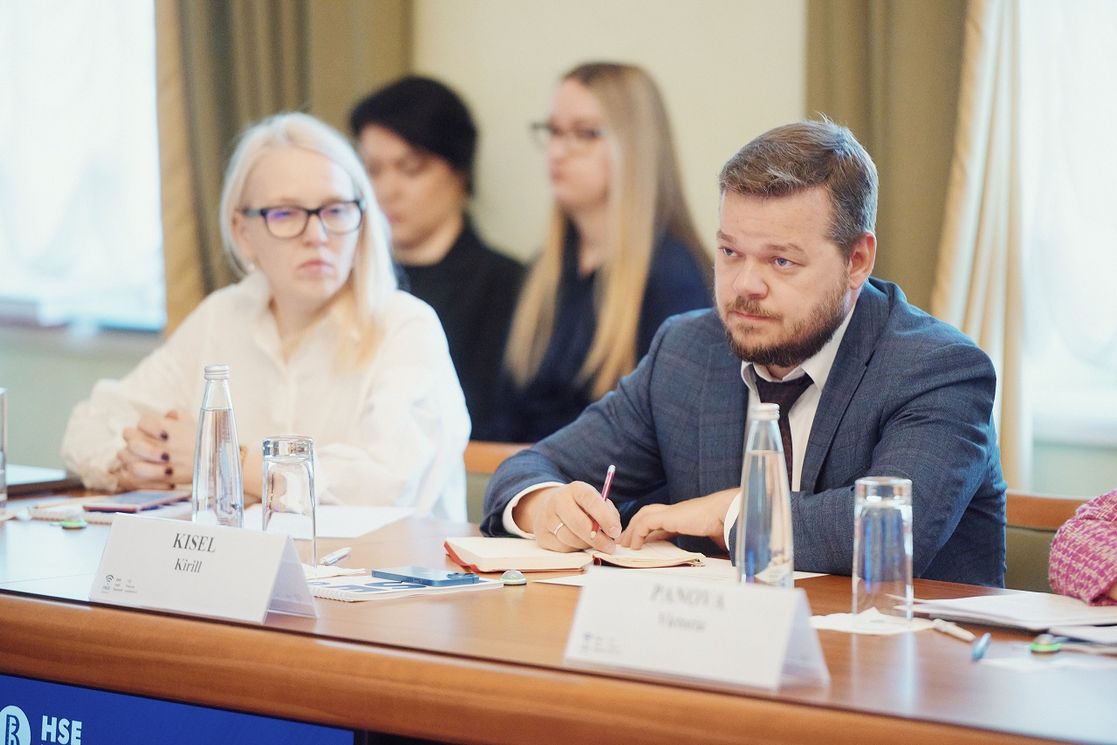
The Ambassador Extraordinary and Plenipotentiary of the Sultanate of Oman to the Russian Federation, Hamoud bin Salem Al Tuwaih, also took part in the meeting. The following HSE representatives participated in the event: HSE University Vice Rector Victoria Panova; Nadezhda Orlova, Director of the Institute for Agrarian Studies and Academic Supervisor of the programme in Bioinformatics in Agrobiotechnology; Anna Shestakova, Director of the Institute for Cognitive Neuroscience; Anton Yanovsky, Director of the Centre for R&D Commercialization and Technology Transfer; and Kirill Kisel, Director for Internationalisation.
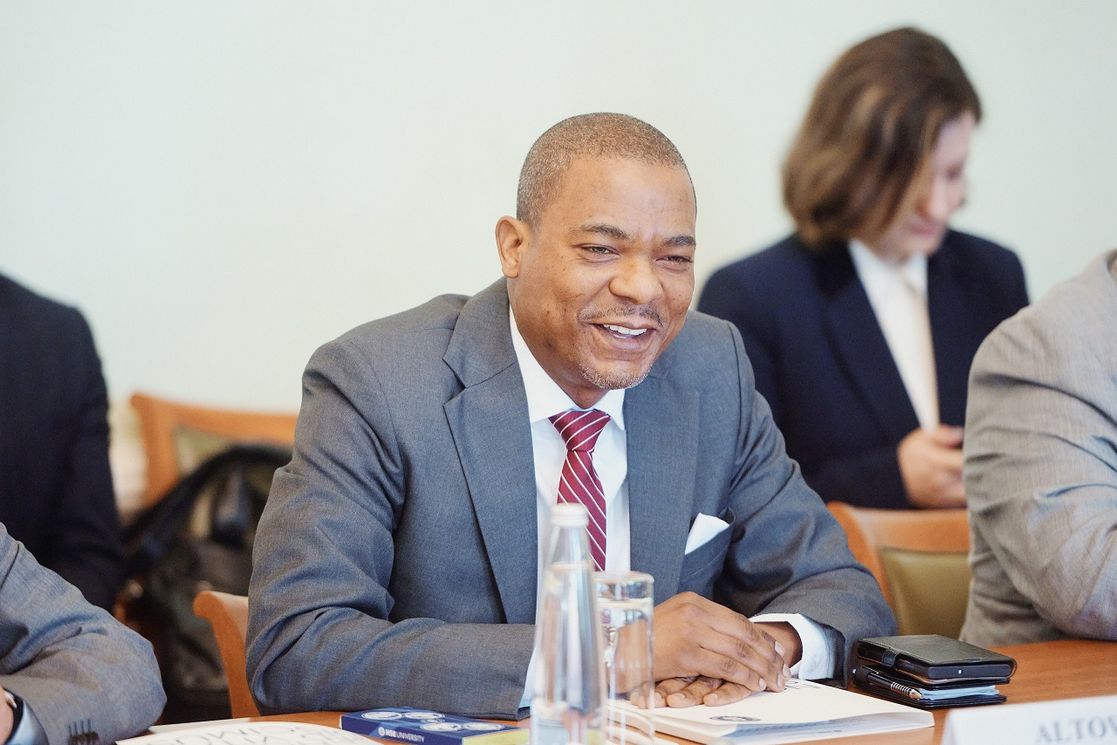
The parties expressed confidence that educational and scientific cooperation will strengthen relations between the states.
Sultan Qaboos University was founded in 1986 as one of two public universities in the Sultanate of Oman. The university ranks first in the country and 362nd in the world according to QS 2025. The university implements programmes in art, social sciences, economics, political science, education, law, medicine, natural sciences, and many other areas. Most of the degree programmes at Sultan Qaboos University are taught in English.

See also:

HSE Graduate School of Business and Alfa-Bank Hold Summer School for Students from China
Twenty-seven students from Chinese universities took part in the international summer school ‘Digital Product Management’ organised by the HSE Graduate School of Business and Alfa-Bank. Over the course of a week, participants explored the Russian economy and business environment, learned about current technology trends, and worked through the key stages of digital product development step by step—from researching user needs and defining a problem to developing a prototype and presenting their final project.
Physicists Discover What Happens Inside a Stable Vortex
Large vortices with characteristic spiral arms are often observed in the atmosphere and the ocean. Physicists from HSE University have explained how these structures form and why they retain their shape. The researchers found that velocities at points located along the same vortex arc remain correlated even over long distances. At the same time, this correlation weakens rapidly with increasing distance from the vortex centre. These differences help explain the formation of spiral arms and may improve models of atmospheric and oceanic currents. The findings have been published in Physical Review Fluids.
HSE Computer Science Researchers Win Gold Medal at International Machine Learning Competition
A team comprising HSE International Laboratory of Statistical and Computational Genomics researchers Aleksei Shmelev and Nikita Chervov, 2025 graduate of the HSE Faculty of Computer Science’s Master’s programme in Data Analysis in Biology and Medicine Ivan Gevorkov, and two students from the United States achieved an outstanding result at the 2026 NeuroGolf international machine learning championship. The team won a gold medal and placed seventh overall.
‘Working with AI Solves a Wide Range of Engineering Problems’
Artificial intelligence is a working tool based on a balanced combination of algorithms and engineering. Experts and doctoral students from the HSE Moscow Institute of Electronics and Mathematics explain how AI technologies can improve an application, device, or system, and what engineering tasks are solved in the process.
‘The Peak of Stupidity’ and ‘The Valley of Despair’: HSE Economists Propose an Explanation for the Dunning–Kruger Effect
The Dunning–Kruger effect, which describes a sharp surge in self-confidence among beginners followed by an equally rapid decline as they gain experience, can be explained by the nature of the learning process and the acquisition of new knowledge. This conclusion was reached by Andrey Vorchik of the HSE Faculty of Economic Sciences together with independent researcher Murat Mamyshev. They developed a mathematical model of learning and demonstrated how subjective confidence is formed and changes as knowledge accumulates, as well as how teachers can reduce the ‘valley of despair’ experienced by learners.
Advancing Collaboration: HSE Faculty of Computer Science and Harbin Institute of Technology Hold Joint Seminar
From July 13 to 16, 2026, the Faculty of Computer Science hosted the Russian–Sino Research Seminar on Machine Learning Applications, organised by the HSE Laboratory for Cloud and Mobile Technologies in partnership with the Harbin Institute of Technology (China). A delegation comprising seven students and three university representatives travelled to Moscow to take part in an intensive four-day programme.
A New Section on AI and a Prizewinning Paper: Early-Career HSE Researchers Take Part in IEEE EDM Conference
The 27th IEEE International Conference of Young Professionals in Electron Devices and Materials (EDM) has taken place in the Altai Republic. This year, researchers from HSE University presented the results of their research and were involved in organising a new section on artificial intelligence. A paper by HSE master’s student Rodion Sidorenko was awarded third place in the research paper competition at the conference.
HSE and Karakalpak State University Agree on Cooperation
HSE University and Berdakh Karakalpak State University have signed a cooperation agreement to strengthen collaboration in research, education, and innovation. Through the expertise of its Сentre of Digital Technologies for Nature-Based Solutions of the Carbon Measurement Supersites Programme, HSE University will work with colleagues from Uzbekistan to assess climate risks and evaluate opportunities for implementing nature-based climate projects in the region. The partners also plan to develop joint research and educational programmes.
HSE Initiates Development of Ethical Standard for Anthropomorphic Robots
Beyond technological solutions, the development of anthropomorphic robotics also demands ethical ones. In July 2026, the HSE Institute for Robotics Systems hosted a foresight session dedicated to developing an Ethical Standard for Anthropomorphic Robotic Complexes. Representatives from businesses, government bodies, scientific organisations, and universities gathered to discuss key ethical and legal issues surrounding the development of anthropomorphic robotic complexes. The main outcome of the meeting was a draft of the Ethical Standard.
‘We Are Always Open to Collaboration, and China Is One of Our Most Important Partners’
From July 20 to 27, 2026, the HSE Faculty of Urban and Regional Development (FURD) is hosting a summer school for students from Tianjin University dedicated to the preservation of cultural heritage. Throughout the week, participants have attended lectures, practical workshops, and field visits to some of Moscow’s most iconic heritage sites. The summer school is the faculty’s first international programme of this kind and forms part of the expanding educational cooperation between Russia and China.